

ONE WEEK FOR CONNECTING THEORY
TO EXPERIMENTS AND NUMERICAL SIMULATIONS
The week includes theoretical sessions dealing with multiscale approaches in mechanics and numerical and experimental tools and methods, as well as practical sessions during which the
attendants will be dispatched in the laboratories to manipulate some of the most up-to-date equipment used in research.
The last day is dedicated to the specific problem of multiscale approaches in biomechanics.
ONE WEEK FOR CONNECTING THEORY
TO EXPERIMENTS AND NUMERICAL SIMULATIONS
The week includes theoretical sessions dealing with multiscale approaches in mechanics and numerical and experimental tools and methods, as well as practical sessions during which the attendants will be dispatched in the laboratories to manipulate some of the most up-to-date equipment used in research.The last day is dedicated to the specific problem of multiscale approaches in biomechanics.
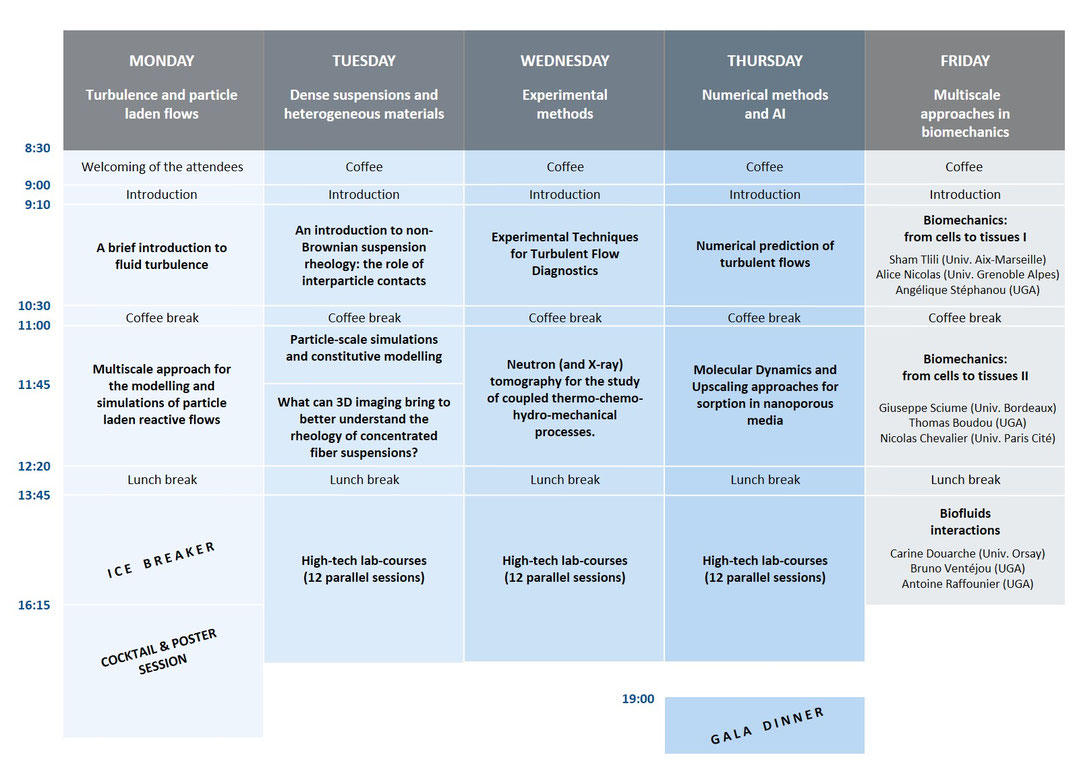
MONDAY 2: TURBULENCE AND PARTICLE LADEN FLOWS
8:30 Welcome coffee
9:00 Introduction
SPEAKER

Elise Lorenceau, CNRS, Laboratory LIPhy, Grenoble - Deputy coordinator of Tec21
9:10 A brief introduction to fluid turbulence
In spite of centuries of active research, turbulence remains one of the deepest mysteries of fluid mechanics. The complexity relies on the random and multi-scale nature of the phenomenon. This lecture will review the origin and the characteristics of fluid Turbulence, as well as the phenomenological framework and statistical tools commonly used to describe the phenomenon. These rely on the concept of energy cascade, introduced by L. Richardson in the 1920’s, later refined by A. Kolmogorov, who’s ideas still dominate the Turbulence research community.
SPEAKER

Mickaël Bourgoin, CNRS, Laboratoire de physique, ENS Lyon
10:30 Coffee break
11:00 Multiscale approaches for the modelling and simulation of particle laden reactive flows
Dense gas-particle reactors are encountered in many industrial systems involving chemical reactions such as the polymerisation of PE and PP for plastic making, the chlorination of zircon in the metallurgical industry, uranium oxide fluorination in the nuclear power industry, as well as biomass gasification, fossil fuels conversion (chemical looping combustion of coal and gas), or crude oil processing in petroleum refineries by fluid catalytic cracking, amongst many others. The modelling of dense gas-particle reactive flows is a very challenging problem as many physical mechanisms need to be taken into account, in particular the numerous interactions between particles (collisions, agglomeration, attrition), between the particles and the fluid (with mass, momentum and energy transfer), and also between the particles and the walls (frictional bouncing, rough wall surface, deposition and resuspension), all of these being coupled with chemical reactions (gaseous and solid combustion, polymerisation…) This presentation will show how different numerical methods capable of describing the phenomena at the micro, meso and the macro scales, are coupled to provide relevant simulations of processes involving dense gas-particle reactive flows.
SPEAKER

Olivier Simonin, INPT, Institut de Mécanique des Fluides de Toulouse
12:30 Lunch break
13:45 I C E B R E A K E R
16:15 APERITIF & POSTER SESSION
All participants are kindly asked to prepare a poster about their work that will be exposed over the whole school.
Please don't forget to bring your poster with you on Monday morning.
TUESDAY 3: DENSE SUSPENSIONS AND HETEROGENEOUS MATERIALS
8:30 Coffee
9:00 Introduction
SPEAKER
Guillaume Chambon, Univ. Grenoble Alpes, IGE - Coordinator of Tec21
9:10 An introduction to non-Brownian suspension rheology: the role of interparticle contacts
The rheology of concentrated non-Brownian suspensions has undergone significant advances over the past fifteen years, following the recognition of the central role played by solid contacts between particles. Incorporating these contacts into theoretical and experimental frameworks has made it possible to account for both continuous and discontinuous shear thickening in dense suspensions [1], and more recently for the shear thinning observed beyond the shear-thickening regime [2], i.e. in frictional non-Brownian suspensions [3]. In this introduction, it will be shown that the shear-thinning behavior can be rationalized either by a variable friction coefficient [4], or by the presence of adhesive forces between particles, even though the latter are generally assumed to be non-colloidal. Several examples will be presented to establish quantitative links between macroscopic rheological properties and interparticle contact forces measured using atomic force microscopy (AFM).
SPEAKER
Elisabeth Lemaire, CNRS, Institut de physique de Nice
11:00 Particle-scale simulations and constitutive modelling
Mixtures of particles in a fluid are common in many applications. Yet, to date, there is no universal continuum model to predict their large-scale flow nor even one-size-fits-all simulation technique to simulate a representative element at the particle scale. In this presentation I will introduce some recent advances in these directions in the context of concentrated suspensions of hard particles. In particular I will show how we can now model striking non-Newtonian phenomena that are specific to suspensions.
SPEAKER
Romain Mari, CNRS, Laboratory LIPhy, Grenoble
10:30 Coffee break
11:45 What can 3D imaging bring to better understand the rheology of concentrated fibre suspensions?
Flows of fiber suspensions play a crucial role in many applications, such as the forming processes of fibre-reinforced polymer composites. Existing rheological models are, however, insufficient to accurately describe and predict the behavior of these complex suspensions. To gain insight into the micromechanical deformation mechanisms occurring between fibers during suspension flow, 3D imaging via X-ray tomography is an especially powerful tool. This presentation presents the principles of this technique and demonstrates the types of data that can be extracted from 3D images, providing a deeper understanding of the rheology of fiber suspensions.
SPEAKER
Laurent Orgéas, CNRS, Laboratory 3SR, Grenoble
12:20 Lunch break
13:45 High-tech lab courses session I
Over the whole school, the participants will attend 3 out of the 12 proposed lab-courses (on Tuesday Wednesday and Thursday afternoon). Groups of 4-5 participants will be made and each group will be given its planning and location depending on the chosen topic. The lab-courses will be held in parallel sessions at different places on the campus.
MORE INFO
A full description of the lab courses is available online to help you chose your topic
High-tech lab courses

WEDNESDAY 4: EXPERIMENTAL METHODS
8:30 Coffee
09:00 Introduction
SPEAKER

Benjamin Cross, Univ. Grenoble Alpes, Laboratory LIPhy
09:10 Experimental techniques for turbulent flow diagnostics
Although turbulence modeling has long been a central topic in fluid mechanics, significant progress is still expected and relies heavily on high-quality empirical data. This lecture will focus on the experimental approaches used to fill current knowledge gaps, both for fundamental modeling and for complex engineering applications. We will begin by outlining the practical motivations behind experimental test campaigns, then move on to discuss the various methods used to generate turbulence in laboratory-scale experiments, where both similarities and technical constraints must be carefully considered. Next, the lecture will offer a concise review of the experimental techniques that have been employed over the past century for turbulence diagnostics. Then, particular attention will be given to a selection of widely used methods, with an emphasis on their respective capabilities, limitations, common biases, and on the classical post-processing tools used to extract meaningful turbulence properties. Finally, we will highlight several more specialized diagnostic methods designed for specific needs, providing a broader perspective on the experimental possibilities available for studying turbulent flows.
SPEAKER

Bertrand Mercier, Univ. Grenoble Alpes, Laboratory LEGI
10:30 Coffee break
11:00 Neutron (and X-ray) tomography for the study of coupled thermo-chemo-hydro-mechanical processes.
Coupled processes are central to everyday materials and engineering systems. Full-field techniques such as tomography offer a means to observe these processes in space and time. Neutron imaging is especially effective for detecting hydrogen-rich constituents, enabling for example the study of water and hydrocarbon transport. Recent technological advances have significantly improved spatial and temporal resolution. Additionally, the capability to acquire truly simultaneous neutron–x-ray tomographies was recently made possible, providing complementary contrast mechanisms. This presentation will focus on dual-modality tomographic acquisition, and its potential for coupled thermo-chemo-hydro-mechanical processes, where each modality reveals one aspect of these couplings.
SPEAKER
Alessandro Tengattini, Université Grenoble Alpes, Laboratory 3SR
12:30 Lunch break
13:30 High-tech lab courses session II
Over the whole school, the participants will attend 3 out of the 12 proposed lab-courses (on Tuesday Wednesday and Thursday afternoon). Groups of 4-5 participants will be made and each group will be given its planning and location depending on the chosen topic. The lab-courses will be held in parallel sessions at different places on the campus.
MORE INFO
A full description of the lab courses is available online to help you chose your topic
High-tech lab courses
THURSDAY 5: NUMERICAL METHODS AND ARTIFICIAL INTELLIGENCE
8:30 Coffee
9:00 Introduction
SPEAKER
Christian Geindreau, Université Grenoble Alpes, Laboratory 3SR
9:10 Numerical prediction of turbulent flows
This presentation introduces the physical and numerical foundations required to understand and predict turbulent flows. After recalling the key features of turbulence and the Navier–Stokes equations, it highlights the limitations of direct approach (DNS) due to its computational cost. Statistical methods such as RANS are then presented, along with their underlying assumptions and closure models. The course explores small-scale modeling through Large Eddy Simulation (LES), which resolves the main flow structures while modeling the smallest scales. Advantages, limitations, and mesh requirements of these approaches are discussed using practical examples. Then, an overview of hybrid strategies combining RANS and LES approaches are presented. In addition to these established approaches, recent advances leveraging machine learning are presented. These include data-driven subgrid-scale modeling and multi-fidelity simulations. Such developments illustrate how artificial intelligence is reshaping turbulence modeling by complementing physics-based approaches. Overall, this presentation aims to provide students with an integrated understanding of the physical, numerical, and practical aspects of turbulence modeling.
SPEAKER

Guillaume Balarac, Grenoble INP, Laboratory LEGI
10:30 Coffee break
11:00 Molecular Dynamics and Upscaling approaches for sorption in nanoporous media
Water sorption in nanoporous materials is controlled by the interplay between pore structure, surface chemistry, and environmental conditions. Molecular simulations, including molecular dynamics (MD) and Grand Canonical Monte Carlo (GCMC), allow exploration of adsorption mechanisms at the nanoscale, capturing layering, capillary condensation, and cavitation phenomena. These methods provide access to isosteric heats of adsorption, molecular distributions, and how temperature modifies water organization in confined spaces. At the mesoscale, lattice gas density functional theory (DFT) can represent complex pore networks. Parameters such as fluid-fluid and solid-fluid interaction energies are informed by atomistic simulations, ensuring consistency across scales. The resulting adsorption and desorption curves exhibit hysteresis controlled by pore connectivity. Temperature influences the balance between adsorption and desorption, shifting cavitation pressures and modifying hysteresis loops. This talk will give insights into how combining MD simulations with mesoscale statistical approaches can provide a multiscale framework to predict water behavior in nanoporous media.
SPEAKER
Majdouline Laanaiya, Université Grenoble Alpes, Laboratory 3SR
12:30 Lunch break
13:30 High-tech lab courses session III
Over the whole school, the participants will attend 3 out of the 12 proposed lab-courses (on Tuesday Wednesday and Thursday afternoon). Groups of 4-5 participants will be made and each group will be given its planning and location depending on the chosen topic. The lab-courses will be held in parallel sessions at different places on the campus.
MORE INFO
A full description of the lab courses is available online to help you chose your topic
High-tech lab courses
19:00 Gala dinner
All participants are invited to spend the evening together at the restaurant in a friendly atmosphere.
VENUE
Restaurant le Féno (Musée de Grenoble)
5 place de Lavalette - 38 000 Grenoble
Tram line B, "Notre Dame - Musée" stop.
View on a map
FRIDAY 6: MULTISCALE AND MULTIPHYSICAL APPROACHES IN BIOMECHANICS
8:30 Coffee
8:55 Biomechanics : from cell to tissues I
From stem cells to structured tissues and organs: how do organoids self-organise and take shape
Gastruloids are organoids derived from embryonic stem cells, whose gene expression patterns parallel the embryo’s anterior–posterior and dorso–ventral axes in vivo. Since their introduction about ten years ago, gastruloids have attracted substantial interest and have been extensively studied and characterized, but almost exclusively from biochemical and genetic perspectives. By contrast, the biophysical mechanisms driving their early organization remain poorly understood. I will present our recent work on the collective tissue flows that emerge during gastruloid symmetry breaking. Combining live two-photon imaging, quantitative image analysis, and physical modeling, we show that a dominant recirculating flow reinforces symmetry breaking by differentially advecting cells with distinct gene expression. A minimal hydrodynamic model explains these flows through interfacial tensions between tissues and tension differences at the outer surface. While differential-tension-driven separation is a long-standing idea, our experiments provide the first evidence that large-scale hydrodynamic flows contribute to this unmixing.
SPEAKER
Sham Tlili
CNRS, Université d'Aix-Marseille
Cell sensitivity to the stiffness of the extra-cellular matrix: from in vitro to in vivo and back
Cells have been shown to adapt to the mechanical properties of the extracellular environment. Since tissues are significantly softer than standard culture plates, cells grown in vitro on softer materials are expected to better recapitualte in vivo phenotypes and molecular chartacteristics. In this work, we focus on lung tissue to analyze the physiological relevance of culturing cells on soft, biomimetic substrates. We also investigate the role of stiffness heterogeneity encountered in vivo on cell behavior, and the need to recapitulate it in vitro.
SPEAKER
Alice Nicolas
CNRS, LTM - Université Grenoble Alpes
Mechanics-driven long range communication between cells
Mechanics-driven communication between cells is essential for processes like angiogenesis, yet its integration into computational models remains limited. We developed a hybrid continuous-discrete model to study how mechanical cues influence cell migration on elastic fiber matrices. Refinement of the model requires to represent cells as mechanosensitive networks, where adhesions and filopodia interact dynamically with the substrate. Simulations demonstrate that cells adapt their migration patterns based on substrate properties, reproducing experimentally observed behaviors such as persistent random walks and migration bias on anisotropic substrates. This work provides a mechanistic framework to explore how mechanical signals mediate long-range communication between cells, offering insights into tissue morphogenesis and collective cell dynamics.
SPEAKER
Angélique Stéphanou
CNRS, TIMC - Université Grenoble Alples
10:20 Coffee break
10:50 Biomechanics : from cell to tissues II
Modeling of soft vascularized tissues: a bi-compartment poromechanical approach
Understanding how mechanical and vascular interactions shape the behavior of soft tissues is key to many physiological and pathological processes. This talk presents a bi-compartment poromechanical model that couples the deformation of the solid matrix with fluid transport in both the interstitial and vascular compartments. The framework captures dynamic exchanges between blood and tissue driven by pressure and permeability variations, extending classical poroelastic theory to vascularized media. Two biologically relevant applications - pressure-induced ischemia and vascular tumor growth - illustrate how coupling between the vascular and tissue strains influences perfusion heterogeneity and mechanical stress distribution.
SPEAKER
Giuseppe Sciume
I2M - Université de Bordeaux
Engineering and actuating 3D microtissues
Tissue engineering aims to create functional and physiological tissues in vitro. During this talk, I will first describe a microfabrication technique for engineering 3D microtissues that serve as tissue models to complement conventional 2D cell cultures and animal models. I will give an overview of the use of these models to assess cardiac muscle, skeletal muscle or stromal tissue contractility, as well as to screen the effects of mechanical parameters, drugs or mutations on tissue formation and maturation. I will then present several approaches developed in our team to actuate these engineered tissues, using electrical, mechanical or optogenetic stimulation, in order to gain information on the functional capacities and mechanical properties of the tissue.
SPEAKER
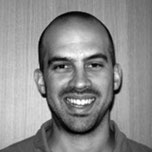
Thomas Boudou
CNRS, LIPhy - Université Grenoble Alpes
Physics of Peristaltic Organs
Blood vessels, the intestine, the uterus are all tubular organs lined with a layer of smooth muscle which generates pressure in the lumen. Many pathologies are induced by discontractility of these organs, motivating the development of methods to monitor their activity in- and ex-vivo. In this talk, I will first show the basic biological and electrical mechanisms underlying contractility. I will then present how the different, but coupled functional outputs – force, pressure, flow – can be measured in- or ex-vivo, depicting generic characteristics of smooth muscle and organ motility.
SPEAKER

Nicolas Chevalier
CNRS, MSC - Université Paris Cité
12:40 Lunch break
14:00 Biofluids interactions
Collective effects and rheology of bacteria suspensions
Instability in bacterial suspensions : Bacteria are simple living beings endowed, for some of them, with long flagellar filaments that are considered as motility organs. Provided they find a microscopic energy source, they use flagella rotation to self-propel in the medium at low Reynolds number. Planktonic bacteria such as Escherichia coli exhibit a “run and tumble” motility pattern that results to a large-scale diffusion. While increasing the density in swimming bacteria, however, the suspensions display remarkable properties such as the appearance of collective motions. This type of motion is characterized by a local bacterial ordering associated with a characteristic correlation length scale, reminiscent of turbulent phenomena. The presence of active bacteria in the fluid confers also unconventional macroscopic properties to the suspension such as a decrease of the viscosity under low shear stress. The apparent viscosity of the active suspension decreases linearly with the bacterial density to reach zero with the onset of collective motions. With this active fluid of interesting rheological properties, we can thus revisit hydrodynamical instabilities: we study the active viscous Saffman-Taylor fingering depending on the bacteria concentration and the shear rate of the flow.
SPEAKER
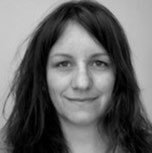
Carine Douarche
FAST - Université d'Orsay, Paris
A hydrodynamic toy model for fish locomotion
The presentation focuses on the swimming behavior in fluid at various Reynolds number. The Reynolds number, Re, is a dimensionless quantity representing the ratio of inertial to viscous forces. When Re<1, viscous forces dominate, characterizing the Stokes regime, where swimming dynamics are governed by the Stokes equation. In this regime, propulsion relies on time-irreversible mechanisms—such as corkscrew motion, asymmetric strokes—that exploit momentum diffusion. Conversely, for Re>1, inertial forces prevail, defining the laminar regime. Here, swimming is typically described using inviscid fluid theory, supplemented by boundary layer theory to account for viscous effects near solid surfaces. Propulsion mechanisms in this regime often involve time-reversible processes, such as tail flapping, which leverage momentum advection. We propose a toy model capable of exploring a wide range of Reynolds numbers without relying on any specific propulsion mechanism. This model is computationally efficient compared to resolving complex propulsion strategies—such as tail flapping at high Re. The swimmer is described as a rigid body using a penalty method, and propulsion is achieved by exerting forces and torques on the fluid, which are compensated within the body. We perform a comprehensive characterization of the toy model and compare its scaling behavior to that observed in the animal kingdom. Subsequently, we investigate the transition between the Stokes and laminar regimes, investigating the effect of confinement on the formation and persistence of the boundary layer.
SPEAKER
Bruno Ventéjou
LIPhy - Université Grenoble Alpes
Microscale rheological characterization of sputum heterogeneity
The presentation focuses on the application of rheological techniques to expectorations (sputum) from patients with chronic muco-obstructive diseases. Pulmonary mucus is the first line of defense of the respiratory tract against various intruders. Pathologies such as asthma, cystic fibrosis, bronchiectasis or COPD share common symptoms, including difficulty in making mucus flow, leading to stagnation and chronic infections. As patients have to expectorate regularly at the hospital, measuring sputum rheology is regarded as a potential biomarker to guide treatments. However, sputum samples exhibit intrinsic heterogeneity that may be important to quantify, but which cannot be captured by classical bulk rheological measurements. Passive microrheology allows local measurement to be performed by computing the mean square displacement (MSD) of the Brownian motion of fluorescent tracers as a function of the lag time τ. The slope of the relationship between MSD and τ on a log-log scale defines the α parameter, ranging from 0 (solid-like) to 1 (liquid-like). Local G* can be obtained using the Generalized Stokes-Einstein Relation. In this talk, we propose a microrheology-based method to provide information on the heterogeneity of expectorations.
SPEAKER
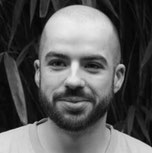
Antoine Raffournier
LRP - Université Grenoble Alpes